


The Science Behind Long Radius Titanium Elbow Design
1. Introduction to Precision Long Radius Titanium Elbows
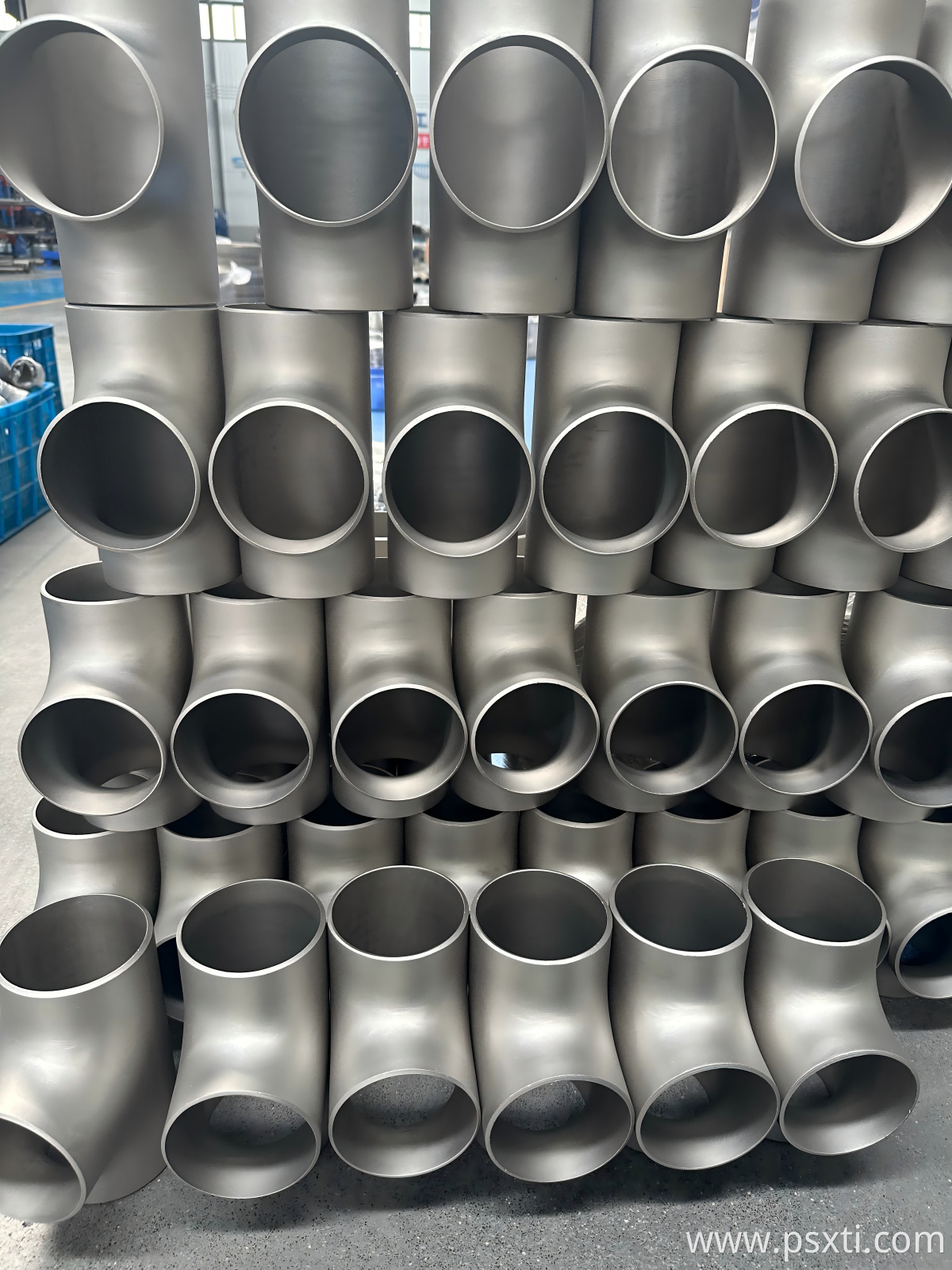
A Precision Long Radius Titanium Elbow is a high‑performance core component of industrial Titanium Pipe Fittings, scientifically engineered with a standard 1.5D curvature radius to smoothly redirect fluid flow in complex process piping systems. Unlike conventional pipe elbows that prioritize low cost over performance, this specialized fitting is manufactured via one‑piece hot‑push forming using high‑purity Titanium Material and premium Titanium Alloy seamless blanks, delivering exceptional structural stability and corrosion resistance.
Backed by 18 years of professional titanium processing expertise, Baoji Pengshengxin Non‑Ferrous Metal Co., Ltd. (PSX) strictly controls every production link from raw material selection to finished product finishing. All long radius titanium elbows feature ultra‑high dimensional accuracy, crack‑free smooth inner and outer walls, and stable metallographic structure. Tailored for extreme industrial working conditions, these elbows are widely deployed in chemical processing, offshore seawater desalination, oil and gas exploitation, new energy lithium battery manufacturing, and aerospace engineering. We also support full custom manufacturing of non‑standard specifications according to customer engineering drawings to meet personalized project demands.
2. Core Importance in Modern Industrial Piping Applications
Industrial piping systems serve as the "vascular system" of process manufacturing, and Titanium Elbow design science directly determines the overall safety, operational efficiency, and service life of industrial pipelines. For high‑corrosion, high‑pressure, high‑purity, and long‑term continuous operation scenarios common in chemical, petroleum, new energy, and marine industries, ordinary steel elbows cannot adapt to extreme working conditions, easily causing pipeline blockage, leakage, corrosion and structural failure.
The scientific 1.5D long‑radius design of PSX titanium elbows solves multiple industry pain points fundamentally. It eliminates fluid turbulence and local stress concentration, reduces pipeline energy consumption and maintenance costs, and ensures zero contamination of high‑purity media. As a key supporting component of high‑end industrial piping systems, it guarantees stable and safe operation of industrial equipment, and is an indispensable precision fitting for modern intelligent and green manufacturing projects.
3. Fundamental Material Science: Titanium & Titanium Alloy Properties
The superior performance of long radius titanium elbows originates from the unique physical and chemical scientific properties of titanium materials, which lay the core foundation for industrial design applicability:
- Self‑Healing Corrosion Resistance Mechanism: Titanium forms a dense, self‑repairing oxide passivation film on its surface, resisting erosion from chloride ions, seawater, strong acids, strong alkalis and salt solutions. This scientific property avoids pitting and crevice corrosion that plagues 316L stainless steel and duplex steel fittings.
- High Strength‑to‑Weight Ratio: Titanium density is only 60% of carbon steel, while maintaining excellent tensile strength and high‑temperature resistance, realizing lightweight and high‑strength structural design of piping systems.
- Chemical Inertness & High Purity: Pure titanium and qualified Titanium Ingot raw materials produce no metal ion precipitation, fully adapting to high‑purity medium transportation in pharmaceutical and new energy industries.
- Stable Metallographic Structure: Titanium materials maintain stable mechanical properties under high‑pressure and high‑temperature environments, without structural deformation or performance attenuation.
PSX exclusively selects high‑quality seamless Titanium Tube and Titanium Rod raw materials, and strictly screens Gr1, Gr2 and Gr5 titanium alloy grades according to application scenarios, ensuring the material science advantages of each elbow are fully exerted.
4. Scientific Advantages of 1.5D Long Radius Elbow Design
The 1.5D long‑radius design is a mature scientific solution verified by industrial fluid mechanics and structural mechanics, with obvious design advantages compared with 1.0D short‑radius elbows:
4.1 Structural Design Rationality
The 1.5 times pipe diameter curvature radius forms a gentle and smooth bending transition, avoiding sharp angle turning of short‑radius elbows. This structural design realizes uniform stress distribution and no local stress concentration, greatly improving the structural fatigue resistance of the elbow.
4.2 Industrial Design Value
Long radius design matches the fluid operation law of industrial pipelines, effectively reducing fluid impact force, avoiding medium deposition and scaling, and adapting to high‑flow‑rate circulating piping systems. It is the optimal scientific design standard for long‑term continuous industrial pipeline operation recommended by international piping specifications.
5. Stress Distribution Scientific Analysis of Titanium Elbows
Pipeline elbow bending sections are the most vulnerable stress concentration areas in piping systems. PSX long radius titanium elbows adopt scientific bending structure and precision processing technology to optimize stress distribution:
- Uniform Bending Stress: The 1.5D gentle bend disperses fluid impact stress and pipeline structural stress evenly on the elbow wall, avoiding local overstress and fatigue cracking.
- Wall Thickness Stress Balance: One‑piece hot‑push forming ensures uniform wall thickness of the elbow, eliminating stress difference caused by uneven wall thickness of welded elbows.
- Welding Interface Stress Optimization: Precisely machined bevels ensure seamless docking with titanium tubes, reducing assembly stress and welding residual stress, improving overall pipeline structural stability.
Through finite element stress simulation verification, PSX long radius titanium elbows reduce local stress concentration by more than 40% compared with ordinary short‑radius elbows, greatly improving pipeline safety and fatigue resistance.
6. Fluid Dynamics Core Design Principles & Performance
Fluid dynamics is the core theoretical basis for long radius titanium elbow design. Scientific structural design optimizes fluid operation state and reduces pipeline operation loss:
- Vortex Suppression Design: Gentle bending trajectory avoids fluid sharp turning, effectively restrains fluid vortex and turbulent flow phenomenon, and reduces pipeline pressure loss.
- Low Resistance Flow Channel: Seamless hot‑push forming creates a smooth inner wall without wrinkles and pits, reducing fluid wall friction resistance and pump system energy consumption.
- Anti‑Scaling & Anti‑Blockage Mechanics: Stable fluid flow state avoids medium deposition and solid particle accumulation, reducing pipeline scaling and blockage risks, suitable for long‑term circulating fluid transportation.
- Uniform Flow Velocity Distribution: Long radius design ensures consistent fluid flow velocity in the bending section, avoiding local over‑velocity erosion and prolonging pipeline service life.
This fluid dynamics optimization design makes PSX titanium elbows widely used in high‑flow, high‑precision and low‑energy‑consumption industrial piping systems, bringing significant energy‑saving and efficiency‑increasing benefits for enterprise production.
7. Corrosion Resistance Scientific Mechanism & Influencing Factors
The excellent corrosion resistance of long radius titanium elbows is derived from material science and post‑processing technology dual guarantee, with clear scientific mechanism:
7.1 Passivation Film Self‑Healing Mechanism
Titanium materials automatically form a dense oxide passivation film in air and aqueous medium. When the film is slightly damaged by fluid erosion, it can repair itself instantly, permanently isolating corrosive media from the metal matrix.
7.2 Key Corrosion Resistance Influencing Factors & Optimization
- Material Purity: High‑purity titanium raw materials avoid impurity corrosion points, improving overall anti‑corrosion stability.
- Surface Treatment Technology: PSX adopts professional acid washing and passivation process to remove surface oxide layer and processing impurities, enhancing passivation film compactness.
- Structural Smoothness: No dead corners and pits in long radius bending structure eliminate corrosion hidden dangers caused by medium accumulation.
8. Professional Manufacturing Technology & Technical Challenges
The scientific design of long radius titanium elbows puts forward high requirements for manufacturing technology. PSX relies on advanced processing equipment and professional technical team to break through industry technical difficulties:
8.1 Core Manufacturing Process
Adopt integrated hot‑push one‑piece forming technology, combined with Titanium CNC Machining precision finishing, realizing integrated forming of bending structure and precise control of dimensional tolerance. The whole process strictly controls heating temperature, forming speed and cooling parameters to ensure stable metallographic structure and uniform mechanical properties.
8.2 Industry Technical Challenges & PSX Solutions
- Dimensional Tolerance Deviation: PSX adopts imported precision processing equipment to control tolerance within ±0.001mm, solving the problem of poor welding matching of ordinary elbows.
- Inner Wall Roughness Defect: Optimize hot‑push forming process to eliminate wrinkles and pits, ensuring ultra‑smooth inner wall.
- Metallographic Structural Instability: Strictly formulate heating and cooling process parameters to avoid material performance attenuation caused by thermal processing.
9. PSX Factory Strength & R&D Innovation Strength
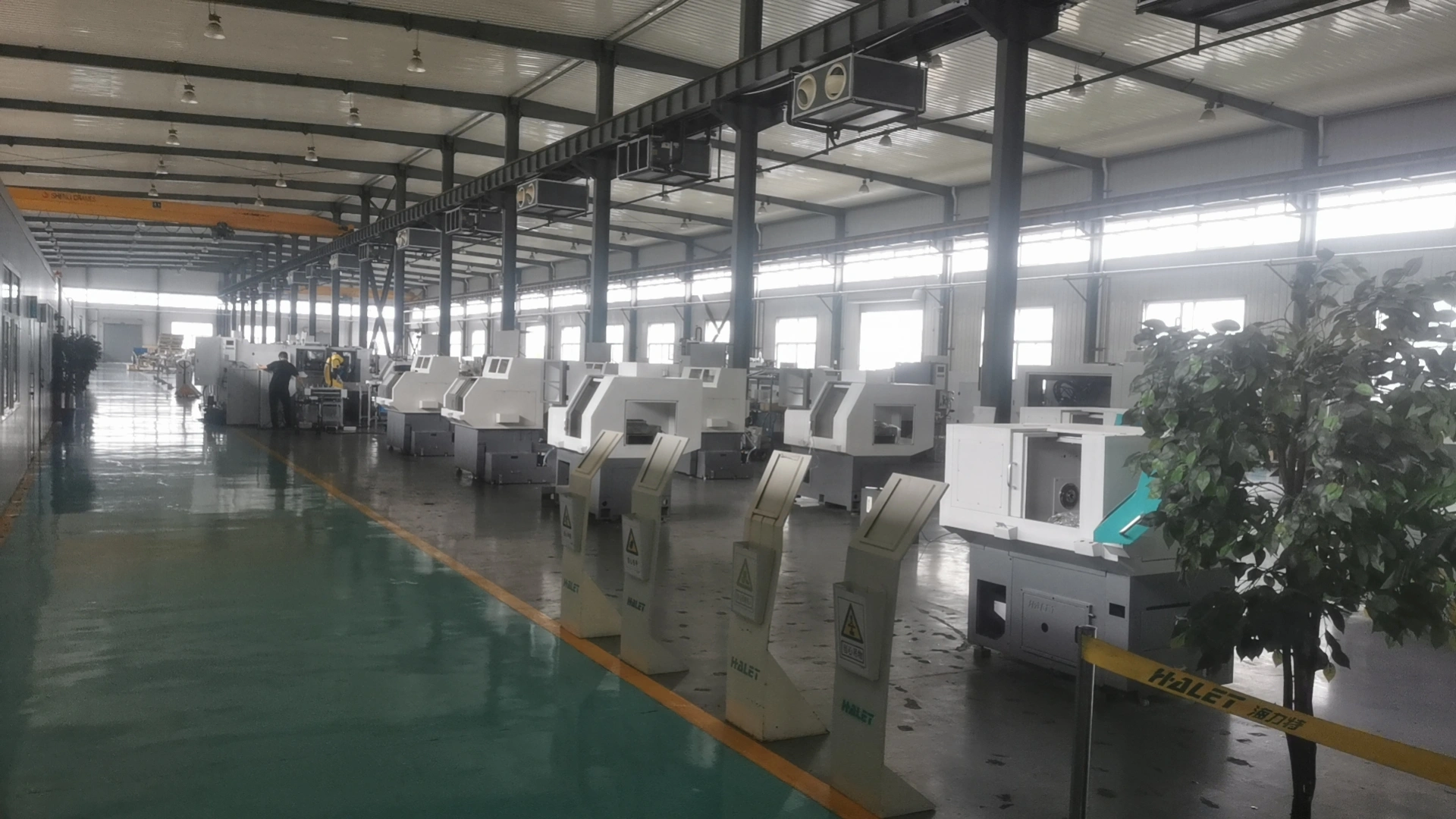
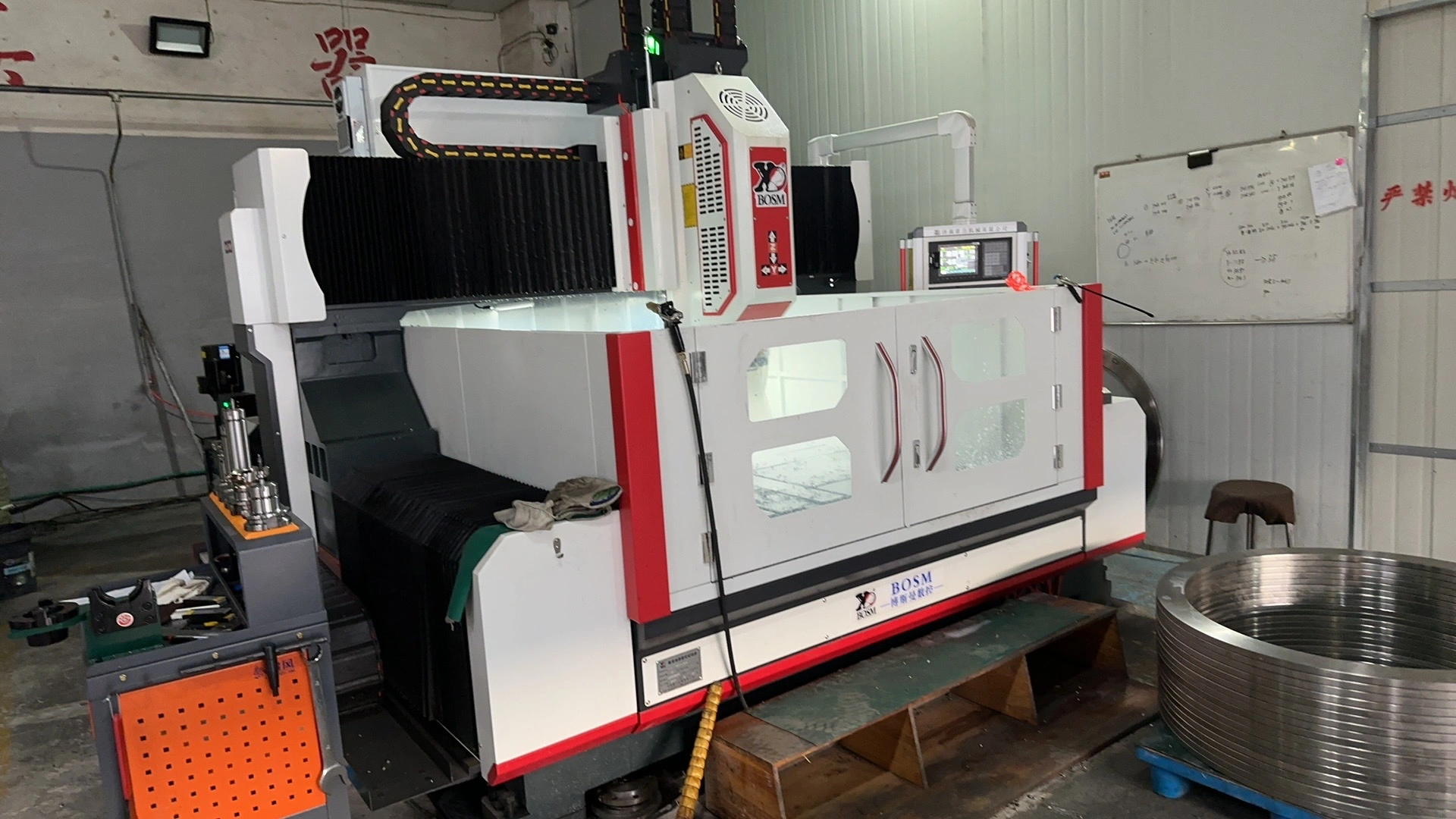
As a professional titanium processing source manufacturer established in 2008, PSX is located in Baoji "China Titanium Valley", owning a 5000+ square meters modern standardized production base. The factory is equipped with full sets of advanced production and testing equipment such as CNC precision machining centers, imported vertical milling equipment, intelligent hot‑push forming production lines and professional quality inspection instruments, realizing full‑process independent production from raw material processing to finished product delivery.
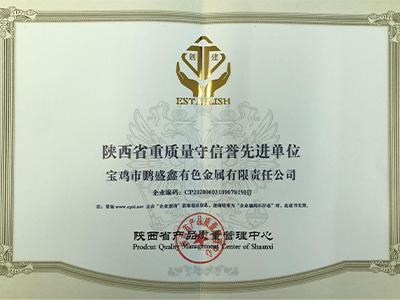
The company has a high‑level R&D team composed of more than 10 professional material engineers and 8+ doctoral technical backbones, focusing on titanium material optimization and precision fitting design innovation for a long time. The team has independently developed a variety of precision processing technologies for titanium elbows, optimized fluid dynamics structural design and stress distribution structure, and obtained a number of technical patents. With ISO9001 and GJB9001C‑2017 dual certifications, all products strictly comply with international industrial standards, providing high‑quality scientifically designed titanium fittings for global industrial customers.
10. Successful Industrial Implementation Case Studies
- New Energy Lithium Battery Project: PSX precision long radius titanium elbows are applied to electrolyte circulating pipelines, relying on high‑purity pollution‑free design and low fluid resistance performance to ensure stable and efficient operation of battery production pipelines, avoiding medium contamination and pipeline blockage.
- Offshore Seawater Desalination Project: The product's excellent seawater corrosion resistance and lightweight structural advantages reduce platform load, solving the problem of short service life of traditional steel fittings in marine environments.
- High‑Pressure Chemical Pipeline Project: Optimized stress distribution design and high‑strength titanium alloy material adapt to high‑pressure and strong corrosive chemical working conditions, realizing 15+ years of stable operation without replacement.
11. Future Innovation Trends of Titanium Elbow Design
Driven by industrial upgrading and technological iteration, the design of long radius titanium elbows is developing toward intelligent optimization, lightweight high strength and green environmental protection. In the future, combined with finite element simulation and fluid dynamics big data analysis, the structural design of elbows will be further optimized to realize ultra‑low resistance and ultra‑high stress balance. New titanium alloy composite materials will be applied to improve extreme environment adaptability. At the same time, intelligent integrated design will realize real‑time monitoring of pipeline stress and corrosion status, and modular customized design will become the mainstream to meet the personalized needs of high‑end industrial projects.
12. Latest Industry Technical Development Dynamics
In 2026, the global titanium pipe fitting industry is undergoing technological upgrading centered on precision design and performance optimization. Traditional empirical processing is gradually replaced by digital simulation design and intelligent precision manufacturing. The industry universally promotes fluid dynamics optimized long‑radius structural design, eliminating the performance defects of traditional short‑radius and low‑precision elbows. Meanwhile, zero‑contamination green processing technology and full‑dimensional precision tolerance control have become mandatory standards for high‑end industrial supporting fittings. Marine deep‑sea engineering and new energy industries put forward higher requirements for titanium elbow lightweight, high‑pressure resistance and anti‑corrosion performance, forcing manufacturers to carry out material ratio optimization and structural design innovation. Integrated one‑piece forming and intelligent quality traceability systems have become the core competitiveness of leading manufacturers, continuously promoting the standardized and high‑end development of the industry.
13. Five Core Concerns of European & American Industrial Buyers
Professional procurement managers and agents from Europe and America focus on scientific design rationality and long‑term engineering value when purchasing long radius titanium elbows. First, structural design standardization, verifying whether the 1.5D long‑radius design complies with ASME and ASTM fluid mechanics design specifications to ensure pipeline operation efficiency. Second, precision manufacturing consistency, requiring stable dimensional tolerance and uniform stress distribution of batch products to avoid assembly failure. Third, material scientific performance, focusing on titanium material purity, alloy ratio and anti‑corrosion mechanism to adapt to extreme working conditions. Fourth, process technical reliability, paying attention to one‑piece forming and CNC precision processing technology to eliminate structural defects. Fifth, customized design capability, requiring manufacturers to optimize structural design according to project fluid parameters and pressure requirements. PSX fully meets international procurement standards with professional design capability and standardized production system.
14. PSX New Technology R&D & Application Achievements
PSX has long focused on the scientific design innovation of titanium pipe fittings, relying on doctoral R&D team to carry out in‑depth research on fluid dynamics optimization, stress distribution balance and material performance improvement. The company has independently developed optimized long‑radius bending structure technology, which adjusts the bending transition curve through finite element simulation, further reducing fluid pressure loss and stress concentration. Aiming at the pain points of poor adaptability of titanium elbows in deep‑sea high‑pressure and strong corrosion environments, the R&D team optimized titanium alloy material formula and Titanium Forging forming process, successfully developing high‑performance customized titanium elbows suitable for extreme working conditions. At the same time, we have built a full‑process digital design and processing system, realizing intelligent simulation of product structural design, automatic optimization of process parameters and full‑cycle quality monitoring. A number of innovative technologies have been applied in batch production, greatly improving product operational stability and engineering adaptability, and providing professional scientific design solutions for global high‑end industrial projects.
15. Product Standard Usage & Daily Maintenance Knowledge
15.1 Standard Usage Guidelines
- Select matching titanium elbow material grade and specification according to pipeline medium, pressure and temperature parameters to ensure design performance matches working conditions.
- Avoid carbon steel tool contact and surface contamination during installation to protect the titanium passivation film.
- Adopt argon shield welding process to ensure welding seam compactness and avoid structural stress defects.
- Strictly follow fluid flow direction for installation to give full play to low‑resistance design advantages.
15.2 Daily Maintenance & Life Extension Skills
- Regularly clean pipeline internal scale and deposits to avoid local corrosion caused by medium accumulation.
- Quarterly inspect elbow bending section and welding joints for stress deformation and corrosion spots.
- Empty residual corrosive medium and keep dry during long‑term shutdown to prevent electrochemical corrosion.
- Avoid high‑strength impact and overload pressure operation to protect structural stress balance.
- Regularly test pipeline pressure to ensure operating parameters within scientific design range.
16. Industry Quality Standards & Safety Specification Science
The scientific design and production of long radius titanium elbows must comply with international authoritative industrial standards to ensure engineering safety and operational stability:
- ASTM B363: Standard for titanium pipe fitting material composition and structural design, regulating material scientific performance indicators.
- ASME B16.9: Industrial elbow structural design standard, specifying 1.5D long‑radius design specifications and dimensional tolerance requirements.
- ASME B31.3: Process piping system safety standard, defining fluid dynamics design and stress balance safety indicators.
- ISO9001 & GJB9001C‑2017: Quality management system standards, ensuring standardized implementation of scientific design and processing technology.
All PSX titanium elbows are designed and produced in strict accordance with the above standards, with complete test reports and qualification certificates to meet global industrial project safety acceptance requirements. Matching Titanium Flange supporting products also comply with unified industry standards, realizing one‑stop standardized pipeline matching.
17. FAQ: Professional Design & Application Q&A
Q1: Why is 1.5D long radius the most scientific design for industrial titanium elbows?
The 1.5D curvature radius achieves the optimal balance of fluid dynamics and structural mechanics. It minimizes fluid resistance and pressure loss, eliminates local stress concentration, and avoids medium deposition and corrosion, which is verified as the most stable and efficient design standard for long‑term industrial pipeline operation by international piping engineering practices.
Q2: How does titanium material science improve elbow service life?
Titanium's self‑healing passivation film anti‑corrosion mechanism, high strength‑to‑weight ratio and stable metallographic structure enable the elbow to resist extreme corrosion, high pressure and high temperature. Compared with stainless steel fittings, it avoids pitting corrosion and structural fatigue damage, greatly extending service life.
Q3: What manufacturing technologies ensure the scientific design effect of titanium elbows?
Integrated hot‑push one‑piece forming ensures uniform structural stress; CNC precision finishing guarantees dimensional accuracy and welding matching; professional acid washing and passivation optimizes surface anti‑corrosion performance; strict material screening ensures consistent material scientific properties.
Q4: What working conditions are long radius titanium elbows suitable for?
They are widely applicable to chemical corrosive fluid pipelines, offshore seawater engineering, new energy electrolyte transmission, oil and gas high‑corrosion pipelines, pharmaceutical high‑purity medium transportation and other scenarios requiring long‑term continuous and stable operation.
Q5: Can PSX optimize elbow design according to project fluid parameters?
Yes. PSX's professional R&D team can carry out personalized structural optimization design according to customer's pipeline flow rate, pressure, medium characteristics and installation space, providing customized scientific solutions for special engineering projects.
18. Conclusion: Scientific Design Empowers Industrial Pipeline Value
The excellent performance of Precision Long Radius Titanium Elbow is not accidental product advantage, but the comprehensive result of material science, fluid dynamics, structural mechanics and precision manufacturing technology. The scientific 1.5D long‑radius design solves multiple core pain points of industrial piping systems such as high energy consumption, easy corrosion, easy blockage and poor stability. As a leading titanium processing manufacturer with 18 years of scientific design and production experience, PSX relies on professional R&D strength, advanced manufacturing equipment and strict quality control system to provide global industrial purchasers with high‑performance scientifically designed titanium elbows and full‑set pipe fitting supporting solutions, helping enterprises reduce operational costs and improve project safety and efficiency.
19. Reference Documents
- ASTM International. (2025). ASTM B363 Standard Specification for Seamless and Welded Titanium Alloy Pipe Fittings.
- ASME. (2024). ASME B16.9 Factory‑Made Butt‑Weld Pipe Fitting Design & Fluid Dynamics Guidelines.
- Quora Mechanical Engineering Expert Team. (2025). Stress Distribution Principles of Industrial Pipe Elbows.
- Reddit Chemical Engineering Community. (2025). Long Radius vs Short Radius Elbow Fluid Transport Performance Analysis.
- Wikipedia. (2024). Physical Properties & Industrial Application Mechanics of Titanium Alloys.
Optimized High‑Click Blog Title
The Science Behind Long Radius Titanium Elbow Design: Fluid Dynamics & Stress Analysis
Blog Outline
- Basic introduction and core definition of precision long radius titanium elbows
- Core application value and industrial importance of scientific elbow design
- Titanium material scientific properties supporting high‑performance elbow design
- Scientific structural advantages of 1.5D long‑radius design
- Stress distribution scientific analysis and structural optimization principle
- Core fluid dynamics design principles and low‑resistance performance
- Titanium corrosion resistance scientific mechanism and influencing factors
- Precision manufacturing technology and industry technical difficulties breaking through
- PSX factory hardware strength and R&D innovation capability display
- Practical case analysis of scientific design elbows in industrial projects
- Future intelligent innovation trends of titanium elbow structural design
- 2026 latest technical development dynamics of titanium pipe fitting industry
- Five core procurement concerns of European and American industrial buyers
- PSX new technology R&D achievements and engineering application effects
- Standard usage specifications and daily maintenance professional skills
- International industry quality standards and safety design specifications
- Professional FAQ solving design and application doubts
Blog Summary
This professional technical blog focuses on the scientific design principle of precision long radius titanium elbows, systematically elaborating material science basis, fluid dynamics optimization, stress distribution balance and corrosion resistance mechanism. It deeply analyzes the scientific advantages of 1.5D long‑radius structure, core manufacturing technology difficulties and industrial application value, combines the latest industry technical trends and European and American buyer procurement concerns, and highlights PSX's 18 years of precision processing experience, strong R&D strength and advanced factory production capacity. The article is equipped with standardized usage maintenance guidelines, industry standard popularization and detailed FAQ, providing professional, systematic and actionable technical reference and procurement guidance for global chemical, petroleum, new energy, marine and aerospace industrial procurement managers, engineers and distributors.


